





 Subscribe
 Subscribe
Know Your Rights: A Practical Guide to OSHA Inspections
01.28.2026 Written by: Business Law Department
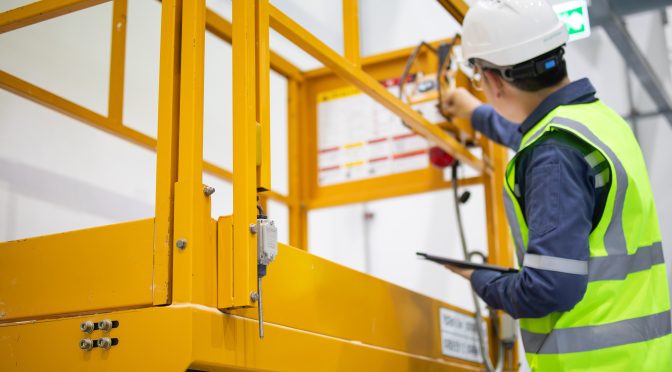
An unexpected visit from the Occupational Safety and Health Administration (OSHA) does not have to derail your day. While OSHA inspections can feel intimidating, understanding your rights and responsibilities as an employer will help you navigate the process with confidence and protect your organization.
When the Inspector Arrives
When an OSHA Compliance Safety and Health Officer (CSHO) arrives at your workplace, you have several important rights that set the foundation for a proper inspection.
Right to Reasonable Inspection
Under Section 8(a) of the OSH Act, employers have the right to a reasonable inspection. OSHA’s authority is limited to inspecting during “regular working hours and at other reasonable times, and within reasonable limits and in a reasonable manner.” This ensures inspections do not unnecessarily disrupt your operations.
Verify Credentials and Scope
Before allowing the inspection to begin, you may ask the officer to present official OSHA credentials. You can also request a clear explanation of the reason for the visit—whether it stems from a complaint, reported hazard, targeted program, accident, or imminent danger—as well as the intended scope of their review.
Request Time for Your Representative
You may request a reasonable delay so that your designated inspection representative or legal counsel can arrive. OSHA generally accommodates this unless an imminent danger requires immediate attention.
During Inspection
Once the inspection begins, staying informed and engaged is essential to protecting your interests. Remember that all statements made during the inspection are documented and may be referenced in OSHA’s findings. Everything your representatives and employees say is on the record. Be factual and concise, and avoid volunteering unnecessary information or speculation.
Right to Be Present
You have the right to accompany the OSHA inspector during the walk-around portion of the inspection, under Section 8(e) of the OSH Act. The employer’s OSHA representative is encouraged to take detailed notes and photographs that mirror what OSHA documents to maintain an accurate record of all areas reviewed and any issues identified.
Right to Continue Operations
You have the right to continue business operations safely. Contrary to common misconception, OSHA cannot prevent you from working if you are doing so safely. Only a US district court can halt normal operations based on OSHA’s demonstration of an imminent danger.
Right to Representation
You are entitled to have representation present during interviews of management employees to protect the company from unintended commitments or statements that could bind the organization.
Right to Refuse to Perform Demonstrations
OSHA is entitled to observe work as it is naturally being performed during regular operations. However, you retain the right to decline requests to stage demonstrations or perform specific tasks solely for the purpose of the inspection. OSHA cannot compel you to set up or demonstrate work processes on demand without first securing a warrant. Use this right with caution, as refusing reasonable requests may create tension with the inspector.
After the Inspection
Following the walk-around, you have the right to ask questions about potential violations, provide additional safety documentation, and clarify policies or corrective actions already in place.
If OSHA issues citations, you have several options:
- Contest citations if you believe they are unwarranted
- Request informal conferences to discuss findings with OSHA representatives and potentially negotiate settlements
- Petition for Modification of Abatement if you need adjusted compliance deadlines
Moving Foward
Understanding your rights does not mean being adversarial with OSHA inspectors. It means being informed, prepared, and professional—protecting both your employees’ safety and your organization’s interests.
If you have questions about OSHA compliance or need assistance with an inspection, contact us for guidance tailored to your workplace.

