
News
Watching Your Business: The Legal Side of Workplace Security Cameras
Business Law Department • November 23, 2026
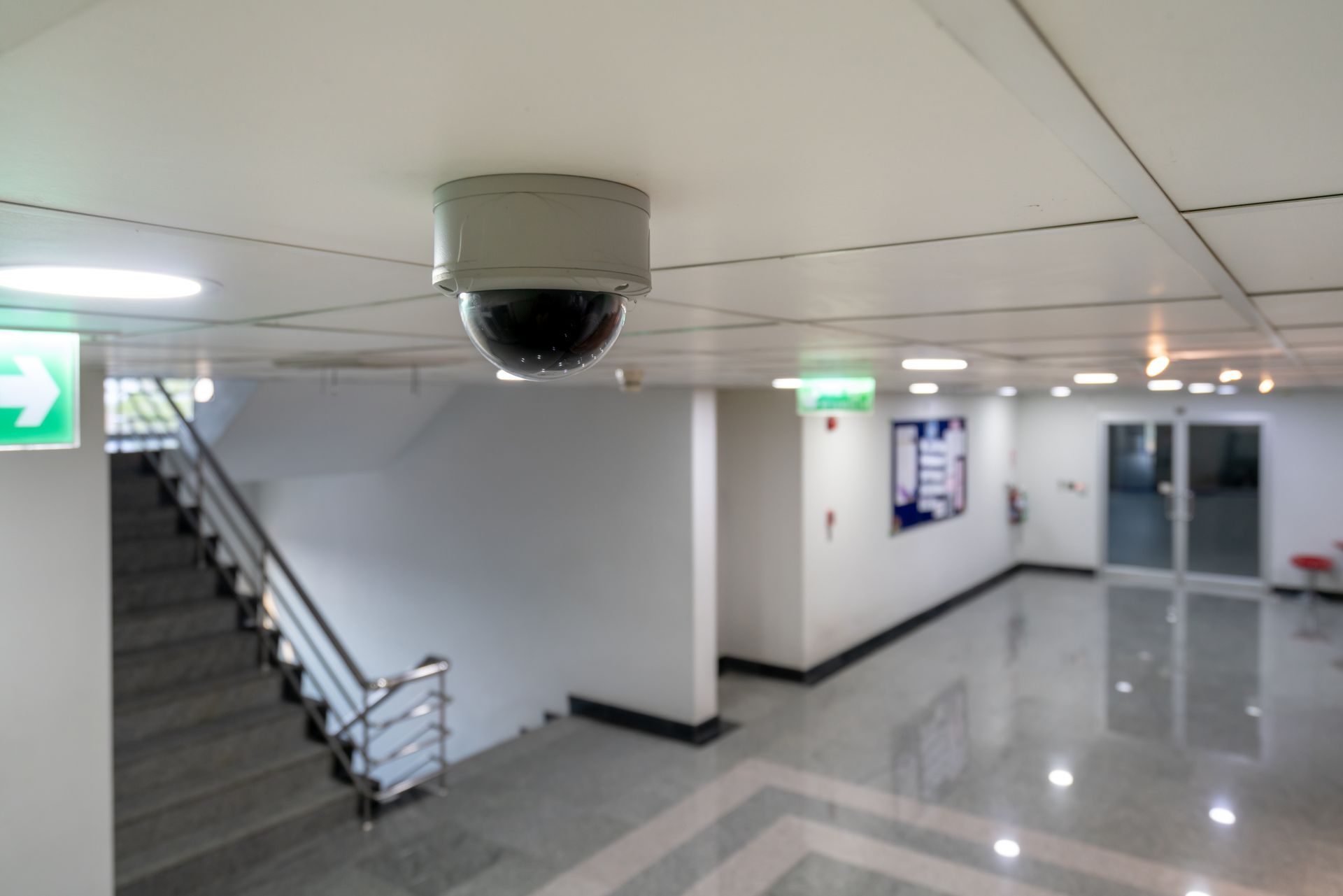
Protecting your business is at the top of most business owners’ minds. Common steps include making sure the right agreements are in place, having the proper insurance coverage, and installing security cameras in the lobby. Although installing security cameras throughout your business is generally legal, there are a few considerations business owners should understand before they install and record.
1. Placement of Security Cameras
Minnesota law allows business owners to install and record video in places where no reasonable expectation of privacy exists. This includes lobby areas, entrances, and other common areas that are open to visitors, clients, and/or employees.
However, placing cameras in areas where employees and others expect privacy is illegal. These areas include bathrooms, changing or fitting rooms, locker rooms, and other private spaces. Depending on how they are used, private offices and break rooms may also fall under a reasonable expectation of privacy. The line is not always obvious.
We encourage you to check each camera’s angle. A lobby camera that captures a restroom door or an office with its door open can create the same problem as a camera placed inside. If you are unsure about your camera placement, reach out to us before you install the camera.
2. Audio vs. Video Recording
As mentioned above, video recording in common areas where employees do not have a reasonable expectation of privacy is permitted. However, audio recording adds another level of complexity. Minnesota is a one-party consent state, which means it is illegal to record a conversation unless at least one party to the conversation consents to the recording. Therefore, if your security cameras record audio without the consent of at least one person in the conversation, you likely have an issue.
The consequences can be serious. Recording conversations illegally can lead to up to five years in prison, a fine of up to $20,000, or both. Sharing or using those recordings can be a separate violation. Anyone whose conversation was recorded can also sue for damages of at least $10,000 or $100 per day, plus their attorney fees. Because cameras record nonstop, one camera with audio turned on can create claims from many employees and customers at once.
3. Recordings
Proper consent for audio and appropriate placement for video still do not mean anything goes. Who can watch the footage, how long you keep it, and how you use it to discipline an employee can all create problems later. The right answers depend on your business, and a misstep can undermine the very protection your cameras are meant to provide. These details are worth considering before a camera goes up.
If you have questions about security cameras, employee privacy, or your workplace policies, contact our experienced business attorneys at Henningson & Snoxell, Ltd. today.