

Learn how the Minnesota Business Filing Fraud Prevention Act protects business owners from fraudulent business filings made with the MN Secretary of State.

Learn how an AI use policy detailing approved tools, acceptable uses, and guidelines regarding sensitive information can protect your organization.

Pre-paid legal services seem appealing for their accessibility and predictable monthly fees, but they are limited and do not meet businesses’ full needs.
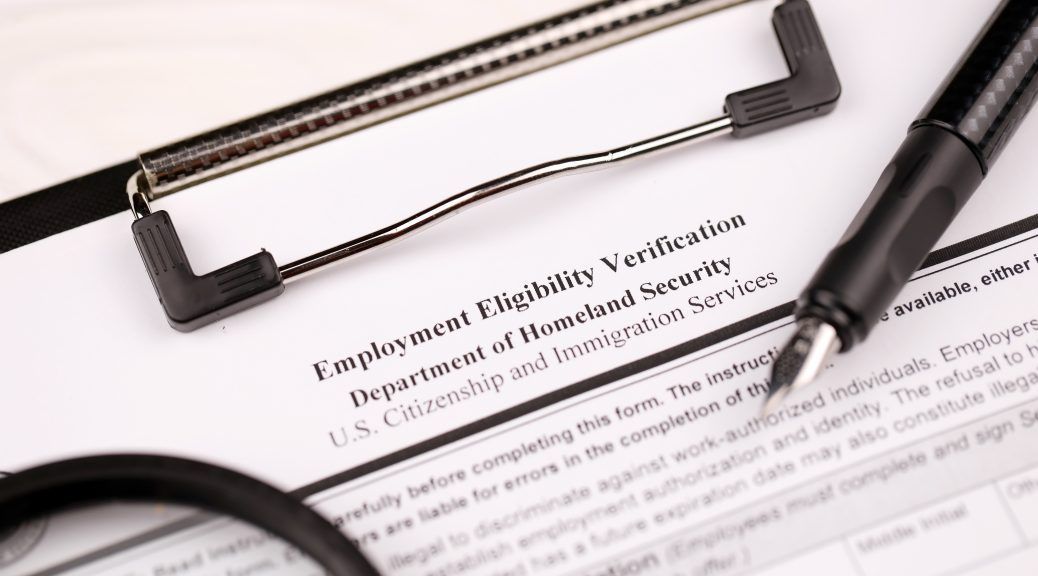
While immigration enforcement activity in Minnesota may be shifting, employer obligations under federal Form I-9 requirements remain unchanged. Being prepared for federal immigration inspections allows business owners to respond professionally and confidently if U.S. Immigration & Customs Enforcement (ICE) or Department of Homeland Security (DHS) agents arrive at their workplace. Here are practical steps employers can take to prepare for a potential federal inspection. 1. Before Anyone Arrives: Conduct an Internal Form I-9 Audit Performing an internal Form I-9 audit is an essential first step in preparing your business for potential federal scrutiny. Federal regulations state you must retain a Form I-9 for each person you hire for three years after the date of hire, or one year after the date employment ends, whichever is later. A proactive audit helps you identify errors early and reduce compliance risks. An internal audit allows you to: Review all employee Form I-9s for completeness and accuracy Ensure supporting documentation is accessible Verify all forms are stored in a centralized, secure location (separate from individual personnel files) For more guidance and best practices for conducting an internal audit, visit: https://www.ice.gov/doclib/guidance/i9Guidance.pdf . 2. If ICE or DHS Arrives: Understanding the Inspection Process If you receive a Notice of Inspection from a federal agency, you generally have three business days to compile all documentation requested in the Notice. After the review, ICE or DHS may issue several types of notices—some administrative, others indicating potential violations. Important: An employer who knowingly hires or continues to employ unauthorized individuals will be required to cease the unlawful activity immediately. Failure to do so may result in civil fines and/or criminal prosecution. 3. After a Formal Inspection: Maintaining Compliance Following an inspection, take the following steps to ensure ongoing compliance: Ensure you receive all Form I-9s and supporting documentation back from federal agents Be aware of any follow-up interactions or requirements you must fulfill Verify that your hiring personnel understand how to properly complete Form I-9, verify employee documents, and maintain Form I-9s and supporting documentation in accordance with federal requirements Regular internal audits and properly maintained Form I-9s are essential to minimizing risk during a federal inspection. If your business wants to proactively address compliance issues or prepare for a potential ICE audit, Henningson & Snoxell can assist with internal audits, compliance reviews, and ongoing support. Contact our team today to ensure your organization is protected.

An unexpected visit from the Occupational Safety and Health Administration (OSHA) does not have to derail your day. While OSHA inspections can feel intimidating, understanding your rights and responsibilities as an employer will help you navigate the process with confidence and protect your organization. When the Inspector Arrives When an OSHA Compliance Safety and Health Officer (CSHO) arrives at your workplace, you have several important rights that set the foundation for a proper inspection. Right to Reasonable Inspection Under Section 8(a) of the OSH Act, employers have the right to a reasonable inspection. OSHA’s authority is limited to inspecting during “regular working hours and at other reasonable times, and within reasonable limits and in a reasonable manner.” This ensures inspections do not unnecessarily disrupt your operations. Verify Credentials and Scope Before allowing the inspection to begin, you may ask the officer to present official OSHA credentials. You can also request a clear explanation of the reason for the visit—whether it stems from a complaint, reported hazard, targeted program, accident, or imminent danger—as well as the intended scope of their review. Request Time for Your Representative You may request a reasonable delay so that your designated inspection representative or legal counsel can arrive. OSHA generally accommodates this unless an imminent danger requires immediate attention. During Inspection Once the inspection begins, staying informed and engaged is essential to protecting your interests. Remember that all statements made during the inspection are documented and may be referenced in OSHA’s findings. Everything your representatives and employees say is on the record. Be factual and concise, and avoid volunteering unnecessary information or speculation. Right to Be Present You have the right to accompany the OSHA inspector during the walk-around portion of the inspection, under Section 8(e) of the OSH Act. The employer’s OSHA representative is encouraged to take detailed notes and photographs that mirror what OSHA documents to maintain an accurate record of all areas reviewed and any issues identified. Right to Continue Operations You have the right to continue business operations safely. Contrary to common misconception, OSHA cannot prevent you from working if you are doing so safely. Only a US district court can halt normal operations based on OSHA’s demonstration of an imminent danger. Right to Representation You are entitled to have representation present during interviews of management employees to protect the company from unintended commitments or statements that could bind the organization. Right to Refuse to Perform Demonstrations OSHA is entitled to observe work as it is naturally being performed during regular operations. However, you retain the right to decline requests to stage demonstrations or perform specific tasks solely for the purpose of the inspection. OSHA cannot compel you to set up or demonstrate work processes on demand without first securing a warrant. Use this right with caution, as refusing reasonable requests may create tension with the inspector. After the Inspection Following the walk-around, you have the right to ask questions about potential violations, provide additional safety documentation, and clarify policies or corrective actions already in place. If OSHA issues citations, you have several options: Contest citations if you believe they are unwarranted Request informal conferences to discuss findings with OSHA representatives and potentially negotiate settlements Petition for Modification of Abatement if you need adjusted compliance deadlines Moving Foward Understanding your rights does not mean being adversarial with OSHA inspectors. It means being informed, prepared, and professional—protecting both your employees’ safety and your organization’s interests. If you have questions about OSHA compliance or need assistance with an inspection, contact us for guidance tailored to your workplace.

Effective January 1, 2026, meal and rest break law changes may require Employers to revise their Employee Handbooks. Under the current law, employers were required to provide employees with restroom time and time to eat a meal; however , the amount of time was left to the employer’s discretion. The only additional guidelines are that if the break was less than 20 minutes in duration, it must be counted as hours worked and paid. Any unpaid breaks require the employee to be completely relieved of work duties. The amendments to the statute now mandate more specific requirements. Employers must provide at least a 15-minute rest break—or enough time to use the nearest convenient restroom, whichever is longer—within each four (4) consecutive hours worked. Additionally, employees working six (6) or more consecutive hours must receive a meal break of at least 30 minutes. It is important to note that meal and rest break requirements fall under the Minnesota Fair Labor Standards Act (MFLSA), and not all workers meet the definition of “employee” under this law. The MFLSA definition excludes certain agricultural workers, individuals employed in bona fide executive, administrative, or professional capacities, and certain seasonal day camp staff members, to name a few. With January 1, 2026, approaching quickly, it is important to ensure your employee policies comply with these new amendments. We encourage you to contact us to discuss how these changes affect your current policies and what updates may be necessary.

The State of Minnesota enacted the Minnesota Secure Choice Retirement Program (the “Program”) in 2023, with an original launch date of January 1, 2025. While that deadline has passed, the Program’s new implementation date is now set for January 1, 2026 . Who Must Participate? The Program requires Minnesota employers with five (5) or more employees to participate if they do not currently offer a qualified retirement plan. This requirement applies regardless of whether employees reside in Minnesota. How the Program Works The Program is structured as an employee-funded retirement savings initiative: Contributions are deducted directly from employee paychecks and deposited into individual Roth IRA or traditional IRA accounts. A Roth IRA will be automatically established for each employee unless they elect pre-tax contributions through a traditional IRA. The proposed initial contribution rate is 5% of wages, with automatic annual increases of 1% until reaching a maximum of 8%. Employees may opt out of participation at any time. Employer Responsibilities While employers cannot contribute to employee accounts under this Program, they do have specific obligations: Facilitate payroll deductions and remit contributions to the Program’s service provider. Bear administrative costs associated with processing and remitting contributions. Provide Program information and enrollment materials to employees. Note: There are no setup fees for establishing employee accounts. Importantly, employers who do not offer a qualifying retirement plan cannot opt out of the Program once their compliance date arrives. Implementation Timeline The Program features a phased rollout based on employer size. Employers should note they are not required to implement the Program until their designated compliance date:

In our final installment of the One Big Beautiful Bill series, we turn to specialized investment and property provisions that could significantly impact specific types of business owners and investors. Part 3 explores three targeted provisions: enhanced benefits for small business stock investments, extended opportunity zone incentives, and new farmland sale options. While these provisions may not apply to every business owner, they offer substantial tax advantages for those who qualify. 1. Qualified Small Business Stock (“QSBS”) QSBS is stock of a domestic C-corporation that has aggregate gross assets of less than $50 million when and immediately after the stock is issued. OB3 changed three key elements of QSBS: (1) shortened the required holding period from five to three years, with a phased-in exclusion amount for the holding period of between three to five years; (2) expanded QSB eligibility to C-corporations with gross assets not exceeding $75 million, adjusted annually for inflation; and (3) increased the flat cap, per issuer on the maximum amount of capital gain excludable from QSBS from $10 million to $15 million, adjusted annually for inflation. 2. Opportunity Zones (“OZ”) OB3 permanently extends the OZ tax provisions of the Tax Cuts and Jobs Act (“TJCA”), which were set to expire at the end of 2026. Opportunity zones are designed to encourage people to invest in distressed areas to spur economic growth and job creation in low-income communities. A rolling 10-year OZ designation begins January 1, 2027. OB3 allows taxpayers to defer capital gains tax liabilities for five years from the date of investment, and they will receive a 10% exclusion of the original deferred gain. Among other things, OB3 also revised the OZ eligibility requirements and now includes enhanced tax incentives for investments in Qualified Rural Opportunity Zones. Investments in these rural OZ will receive a 30% exclusion of the original deferred capital gain after a 5-year holding period. 3. Sale of Farmland Property For tax years beginning in 2026, OB3 allows taxpayers to elect to pay gain from the sale or exchange of qualified farmland to qualified farmers over four equal installments even if the total proceeds are received in a single tax year. Taxpayers can make this election by the due date of the initial tax return. Qualified farmland must be located in the United States and must have been used as a farm for the previous 10 years and must be subject to farm use restrictions for the next 10 years. Qualified farmers are individuals engaged in farming. Conclusion These specialized provisions in the One Big Beautiful Bill demonstrate Congress’s focus on supporting specific economic sectors through targeted tax incentives. From enhanced QSBS benefits that make small business investments more attractive to permanent opportunity zone extensions that encourage investment in underserved communities, these provisions create new planning opportunities for qualifying taxpayers. The farmland sale provision particularly benefits agricultural communities by providing installment payment options that can help manage tax burdens. While these provisions may not apply broadly, they represent significant opportunities for those who qualify. However, these changes also come with compliance complexities and qualifying criteria that require careful navigation. As we conclude our three-part series on the One Big Beautiful Bill, we encourage you to work with your tax advisor to identify which provisions may benefit your specific situation and to develop strategies that maximize these new opportunities. Our team at Henningson & Snoxell, Ltd. remains available to help you navigate these complex changes and optimize your business planning in light of OB3’s comprehensive reforms.

January 1, 2026, is approaching quickly, and employer obligations under Minnesota Paid Family and Medical Leave continue to ramp up. This new law requires employers to provide employees with access to up to 12 weeks of family leave and 12 weeks of medical leave per 52-week benefit year for qualifying events. However, employees can only utilize a capped 20 weeks if claiming under both family and medical leave. Critical December Deadline By December 1, 2025 , employers must inform employees of their rights and benefits under Paid Leave through two required actions: Display the official Paid Leave poster in a conspicuous location in the workplace. Provide each employee with written notice of their new benefits. The Minnesota Department of Employment and Economic Development (DEED) has prepared and made available both the required poster and a sample written notice to help employers comply. Key Compliance Dates and Requirements December 1, 2025 – Employee Notice Deadline Inform all employees of their rights and benefits via the workplace poster and individual written notices. Provide notices in English and in any other language that is the primary language of five (5) or more employees. IMPORTANT: Employees hired after December 1, 2025, must receive individual notice within 30 days of their start date. PENALTY WARNING: Failure to provide required notices may result in penalties of $50 per employee for a first violation and $300 per employee for subsequent violations. January 1, 2026 – Paid Leave Program Launches Benefits become available to eligible employees. Employers may begin deducting the employee’s share of premiums from paychecks. April 30, 2026 – First Premium Payment Due Employers must remit the first quarterly premium payment. This payment covers wages paid from January 1, 2026, through March 31, 2026. We encourage you to reach out with any questions regarding Minnesota Paid Leave compliance. Our team is ready to help make this transition as seamless as possible for your organization.

The One Big Beautiful Bill (“OB3”) takes a dual approach to business taxes: enhanced deductions for business investments paired with stricter limits on loss deductions. OB3 introduces expanded bonus depreciation and doubled Section 179 limits for equipment and property purchases, while also implementing permanent caps on excess business losses and modifying interest deduction calculations. Part 2 of our blog series on OB3 focuses on business investment and loss limitation provisions: 1. Bonus Depreciation for Qualified Property Bonus depreciation has been reinstated for certain new qualified property—including equipment, vehicles, and software—acquired after January 19, 2025. At the federal level, businesses may deduct up to 100% of the cost of qualifying property in the year of acquisition. However, Minnesota does not conform to this federal provision, so the full cost may not be deductible on your Minnesota return. 2. Expensing Limits under IRC Section 179 Section 179 allows businesses to expense personal property and certain qualified real property up to a set limit. OB3 increased the maximum deduction limit from $1 million to $2.5 million. Additionally, the phase-out threshold was increased from $2.5 million to $4 million. These limits will be adjusted for inflation. This applies to property placed in service in taxable years beginning after December 31, 2024. 3. Business Interest Deduction Limitation IRC Section 163(j), beginning after January 1, 2022, limited interest deductions to 30% of taxable EBIT (Earnings Before Interest and Taxes) for certain businesses. OB3 modifies this limitation by reverting the calculation from Taxable EBIT back to taxable EBITDA (Earnings Before Interest, Taxes, Depreciation, and Amortization) for tax years beginning after December 31, 2024, which will allow more interest to be deducted. For tax years beginning after December 31, 2025, OB3 makes additional changes, including modifying the definition of interest included in the calculation. The revised provision will require taxpayers to include all interest, even capitalized amounts, in the total interest amount when determining the interest limit. 4. Excess Business Losses The Tax Cuts and Jobs Act (“TCJA”) limited the deductibility of excess business losses for noncorporate taxpayers (including individuals who own a business, trusts, and estates), a limitation that was set to expire in 2028. OB3 made this limitation permanent. An excess business loss is the amount by which the total deductions attributable to all of a noncorporate taxpayer’s trades or businesses exceed their total gross income and gains attributable to those trades or businesses. In other words, if your business losses exceed your business profits by more than a certain limit ($626,000 for married filing jointly or $313,000 for singles in 2025), the excess loss beyond that limit is treated as excess business loss. Any disallowed losses carried over to the next tax year will be treated as net operating losses rather than excess business losses. Conclusion OB3’s business provisions create new opportunities for investment-focused deductions while establishing permanent limitations on business loss utilization. These changes will require business owners to adjust their tax planning strategies to navigate the updated depreciation benefits, Section 179 limits, and loss restriction rules as they plan for 2025 and beyond. However, these changes also come with compliance complexities and qualifying criteria that require careful navigation. We encourage you to meet with your CPA or tax advisor to discuss planning strategies that work best for your specific situation. As always, Henningson & Snoxell, Ltd. is here to help! Contact us with questions about how OB3 impacts your business. Be sure to check back for our final installment of the One Big Beautiful Bill series, where we will wrap up the key takeaways and planning considerations.